What Does a Phlebotomist Do? Duties and Workplaces
What does a phlebotomist do? Learn daily duties, where phlebotomists work, key skills, BLS pay and outlook, and how to start your phlebotomy career today.
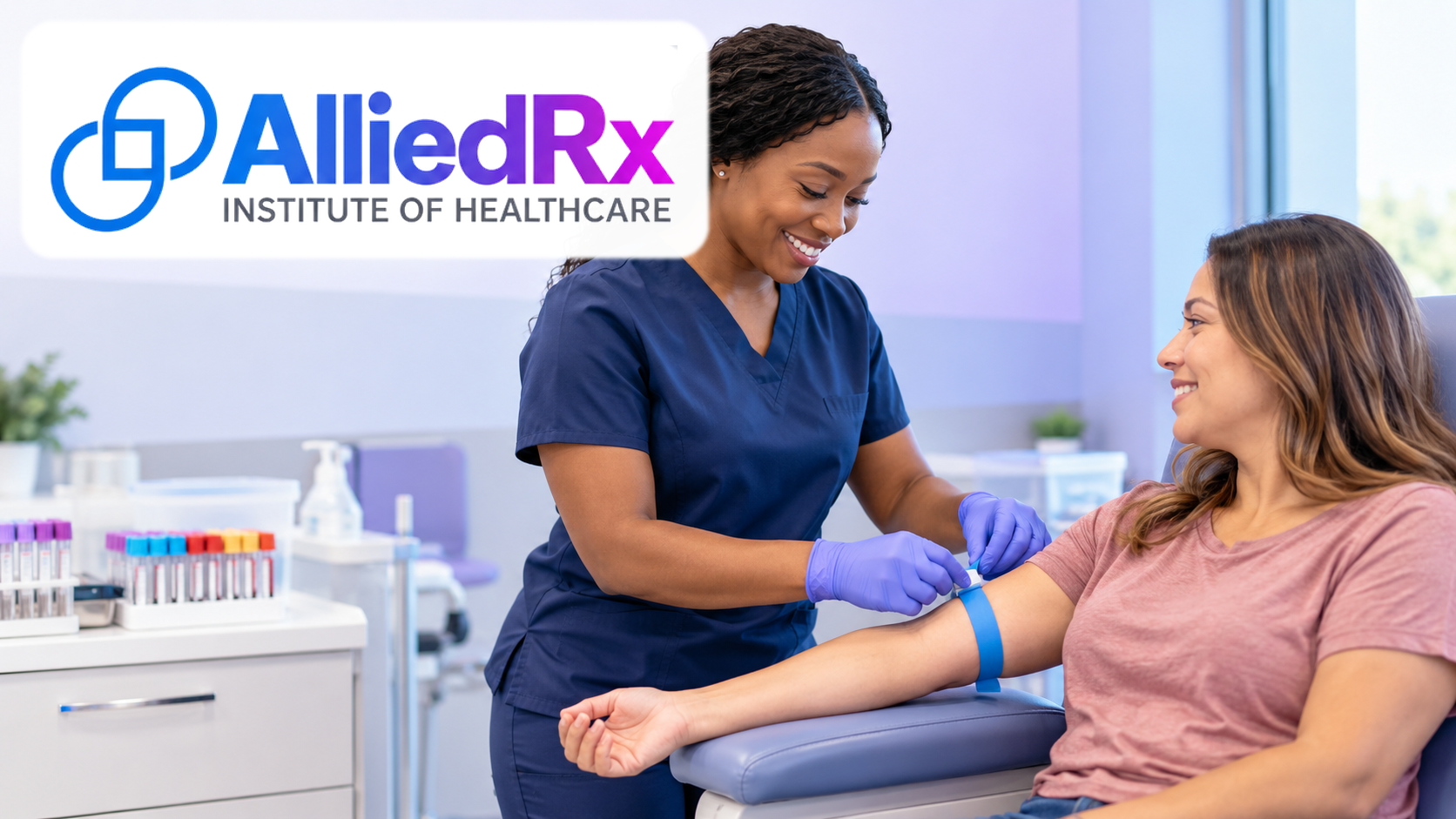
A phlebotomist is the healthcare professional who draws blood for lab tests, transfusions, research and blood donation. If you have ever had blood taken at a doctor's office, a hospital or a lab, there is a good chance a phlebotomist did it. The job is hands-on, people-focused and detail-heavy, and it is one of the faster ways for adults to move into a patient-facing healthcare role. Here is what phlebotomists actually do all day, where they work and what it takes to get started.
What Does a Phlebotomist Do?
At its core, phlebotomy is about collecting the right sample, from the right patient, in the right way, so the lab can produce an accurate result. According to the BLS Occupational Outlook Handbook, phlebotomists typically:
- Draw blood from patients or blood donors
- Explain the procedure to help nervous patients relax
- Verify each patient's or donor's identity
- Label collected blood for testing or processing
- Enter sample information into a database
- Assemble, maintain and dispose of medical instruments
- Keep work areas and equipment clean and sanitary
That list sounds simple, but each step matters. A mislabeled tube or a sample drawn into the wrong tube can mean a delayed diagnosis or a repeat stick for the patient. Good phlebotomists treat every draw like it is the most important one of the day.
A Day in the Life of a Phlebotomist
No two shifts look exactly alike, but most follow a similar rhythm:
- Prep the station. Stock tubes, needles, tourniquets, gauze, bandages and sharps containers, and check that supplies are in date.
- Review orders. Each requisition tells you which tests were ordered and which tubes you need.
- Greet and identify the patient. Phlebotomists confirm identity with at least two identifiers, such as full name and date of birth, before every draw.
- Select the site and draw. You choose a suitable vein, apply the tourniquet, clean the site, perform the venipuncture and fill tubes in the correct order of draw.
- Label and process. Tubes are labeled at the patient's side, then sent, spun or stored according to the test requirements.
- Document and reset. Information goes into the system, sharps go into the sharps container, and the station is cleaned for the next patient.
In a busy outpatient lab, that cycle may repeat many times an hour. In a hospital, you may walk from unit to unit for early-morning draws. Some phlebotomists also collect urine or other specimens, perform capillary (fingerstick) collections or help with blood donation.
Where Do Phlebotomists Work?
Phlebotomists work anywhere blood needs to be collected. The BLS Occupational Outlook Handbook lists the largest employers of phlebotomists as:
- Hospitals (state, local and private): 36%
- Medical and diagnostic laboratories: 33%
- Other ambulatory healthcare services: 16%
- Offices of physicians: 9%
- Outpatient care centers: 2%
"Other ambulatory healthcare services" includes places like blood and organ donation centers. Each setting has a different pace. Hospital work can involve early shifts, weekends and patients who are very ill. Lab and clinic work tends to follow more regular business hours with a steady stream of outpatients. Donation centers focus on healthy donors and a calm, welcoming experience.
Skills That Make a Great Phlebotomist
Technical skill gets the sample. People skills make the experience bearable for the patient. The BLS highlights several important qualities for this role, including communication skills, compassion, attention to detail, dexterity and physical stamina. In practice, that looks like:
- Calm communication: Many patients are anxious about needles. A steady voice and a clear explanation go a long way.
- Attention to detail: Correct patient ID, correct tubes, correct order and correct labels, every single time.
- Steady hands: Venipuncture takes coordination and practice.
- Stamina: You may stand and move for much of your shift.
- Infection control habits: Hand hygiene, gloves and safe sharps handling protect you and your patients.
If you have worked in customer service, hospitality, retail or the military, you already practice many of these skills. That is one reason phlebotomy is popular with career changers.
Phlebotomist Pay and Job Outlook
According to the BLS Occupational Outlook Handbook, the median annual wage for phlebotomists was $45,230 in May 2025. Employment of phlebotomists is projected to grow 7 percent from 2025 to 2035, which the BLS describes as much faster than the average for all occupations, with about 18,000 openings projected each year on average over the decade. Actual pay varies by location, employer, setting and experience.
How to Become a Phlebotomist
Most phlebotomists complete a postsecondary training program and then earn a professional certification. Employers often prefer, and some require, certified candidates. A common path looks like this:
- Complete a phlebotomy training program that covers anatomy, safety, specimen collection and hands-on practice.
- Prepare for and pass a national certification exam, such as the NHA Certified Phlebotomy Technician (CPT) exam.
- Build a simple resume that highlights your training, certification and people skills, then start applying.
Curious about the timeline? Our guide on how long it takes to become a phlebotomist walks through each stage.
AlliedRx Institute of Healthcare is accredited and approved through NHA, AMCA and NCCT, and approved by SCHEV (State Council of Higher Education for Virginia). Our Phlebotomy Technician program is built for busy adults, with online and hybrid options. Military spouses and service members may also qualify for funding through programs such as SpouseWorks, Army Credentialing Assistance or Air Force COOL; eligibility and funding approval are required.
Frequently Asked Questions
Is phlebotomy a good first job in healthcare?
For many people, yes. It offers direct patient contact, a focused set of skills and experience that can support later moves into roles like medical assistant or lab work.
Do phlebotomists only draw blood?
Blood collection is the main task, but phlebotomists also verify patient identity, label and process specimens, enter data, and keep equipment and work areas clean and safe.
What if I am nervous around needles?
Many students feel uneasy at first. Training builds skill step by step, and confidence usually grows with practice. If you are unsure, talk to an advisor before you enroll.
Do I need to be certified to work as a phlebotomist?
Requirements vary by state and employer, but many employers prefer certified phlebotomists. A national certification such as the NHA CPT can make your application stronger.
Start Your Phlebotomy Career With AlliedRx
If you like working with people, pay close attention to detail and want a hands-on healthcare role, phlebotomy could be a great fit. Explore training options that fit your schedule, then take the first step. Register today.
Questions about a program, start dates, or payment plans? Our admissions team is happy to help.


