Is Phlebotomy a Good Career? Pros and Cons
Is phlebotomy a good career? Get the honest pros and cons, BLS pay and job outlook, and four quick questions to see if drawing blood is the right fit for you.
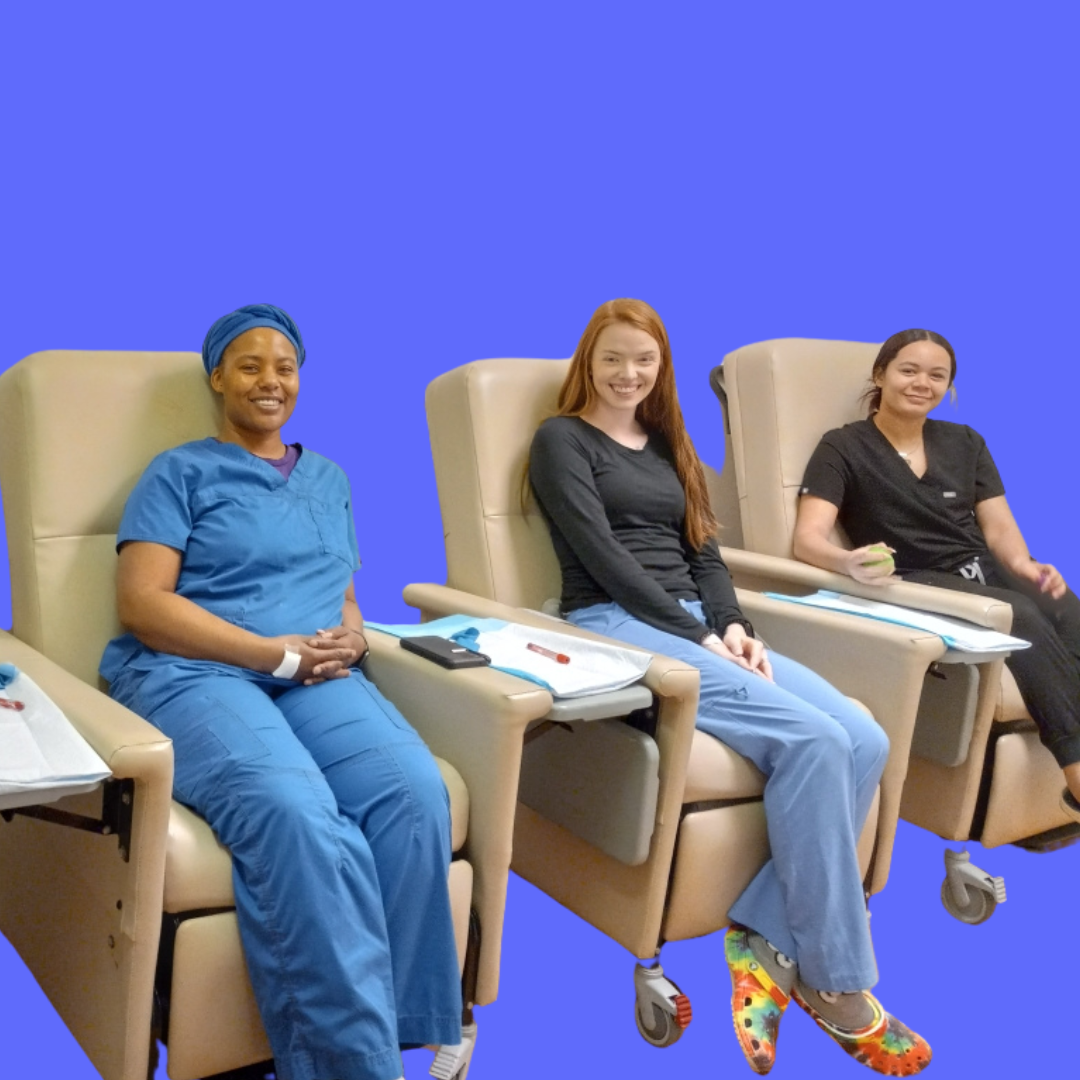
Yes, for many people phlebotomy is a good career, especially if you want a fast, hands-on way into healthcare. Phlebotomists draw blood for tests, donations and research, and the training is shorter than most clinical roles. The work is steady and in demand, but it also comes with real trade-offs: you stand most of the day, you work with anxious patients, and some jobs include early, late or weekend shifts. Here is an honest look at both sides so you can decide if it fits your life.
What a Phlebotomist Actually Does
A phlebotomist collects blood samples and makes sure each one reaches the lab correctly. On a typical shift you might:
- Check each patient's identity and the test orders before every draw
- Explain the procedure and help nervous patients feel calm
- Choose the right site, equipment and tubes, then collect the sample
- Label every tube accurately and follow the correct order of draw
- Prepare, store and send specimens to the lab
- Clean equipment and follow infection control and safety rules
For a closer look at daily duties and settings, read our guide on what a phlebotomist does.
The Pros: Why People Choose Phlebotomy
1. A fast path into healthcare
According to the U.S. Bureau of Labor Statistics (BLS) Occupational Outlook Handbook, phlebotomists typically enter the field with a postsecondary nondegree award, and these programs usually take less than a year to complete. That makes phlebotomy one of the quicker ways to start working directly with patients.
2. Steady demand
The BLS projects employment of phlebotomists to grow 7 percent from 2025 to 2035, which it describes as much faster than the average for all occupations. It also projects about 18,000 openings for phlebotomists each year, on average, over the decade. Hospitals, labs, blood donor centers and doctors' offices all need people who can draw blood safely.
3. Many places to work
The BLS reports that in 2025 the largest employers of phlebotomists were hospitals (36 percent of jobs), medical and diagnostic laboratories (33 percent), other ambulatory healthcare services (16 percent) and offices of physicians (9 percent). Some phlebotomists also travel to mobile donation sites, long-term care centers or patients' homes.
4. Meaningful patient contact
Almost every diagnosis starts with a lab test, and many lab tests start with you. A calm, skilled phlebotomist can turn one of the most dreaded parts of a doctor's visit into a quick, easy experience.
5. A strong stepping stone
Phlebotomy skills carry over to other roles. Many people use it as a first step toward medical assisting, EKG technology, nursing or laboratory careers, and add new skills over time.
The Cons: Trade-Offs to Consider
- Physical work. The BLS notes that phlebotomists may need to stand for long periods and move around throughout the day.
- Nights, weekends and holidays. Most phlebotomists work full time, and those in hospitals and labs may work nights, weekends and holidays, according to the BLS.
- Anxious or difficult patients. Some patients fear needles, faint or have veins that are hard to find. Patience and good people skills matter as much as technique.
- Exposure to blood. You work with blood and sharps every day, so you must follow safety and infection control procedures without shortcuts.
- Pay and growth vary. The BLS reports a median annual wage of $45,230 for phlebotomists in May 2025, but pay varies by location, employer, shift and experience. Many people pair phlebotomy with other skills to grow their options.
Is Phlebotomy Right for You? Four Questions
- Are you comfortable around blood and needles? You will see both all day. Mild nerves are normal and usually fade with practice, but a strong reaction is worth thinking about.
- Do you like working with people? The BLS lists communication, compassion and interpersonal skills among the most important qualities for phlebotomists.
- Are you detail oriented? One mislabeled tube can mean a wrong result or a repeat stick. Careful habits are part of the job.
- Do you want to start working soon? If a long degree program does not fit your life right now, a shorter certificate path can be a smart way to begin.
If you answered yes to most of these, phlebotomy is worth a serious look.
How to Get Started
Most new phlebotomists follow a simple path: complete a training program, practice venipuncture and capillary collection under supervision, earn a national certification such as the NHA Certified Phlebotomy Technician (CPT) credential, and apply for entry-level roles. Requirements can vary by state and employer, so check what employers in your area expect.
AlliedRx Institute of Healthcare offers Phlebotomy Technician training with online and hybrid options. Our programs are accredited or approved through NHA, AMCA and NCCT, and AlliedRx is approved by SCHEV (the State Council of Higher Education for Virginia). Military funding options may also be available, with eligibility and funding approval required.
Frequently Asked Questions
Is phlebotomy a stressful job?
It can be busy, especially in hospitals and labs with many orders. Most of the stress comes from difficult draws and nervous patients, and both get easier with training, practice and a calm routine.
How long does it take to become a phlebotomist?
The BLS says phlebotomy programs usually take less than a year to complete. After training, many students also take a national certification exam before applying for jobs.
How much do phlebotomists make?
The BLS reports a median annual wage of $45,230 for phlebotomists in May 2025. Actual pay varies by location, employer, shift and experience.
Can phlebotomy lead to other healthcare careers?
Yes. Many phlebotomists later train as medical assistants, EKG technicians, nurses or lab professionals, and their patient care experience gives them a head start.
Ready to see if phlebotomy is your path into healthcare? Explore our Phlebotomy Technician program, talk with an advisor about online and hybrid options, and Register today.
Questions about a program, start dates, or payment plans? Our admissions team is happy to help.


