Where Do Phlebotomists Work? Common Job Settings
Where do phlebotomists work? Explore hospitals, labs, doctors' offices, donation centers and mobile jobs, plus BLS pay data and how to choose the right setting.
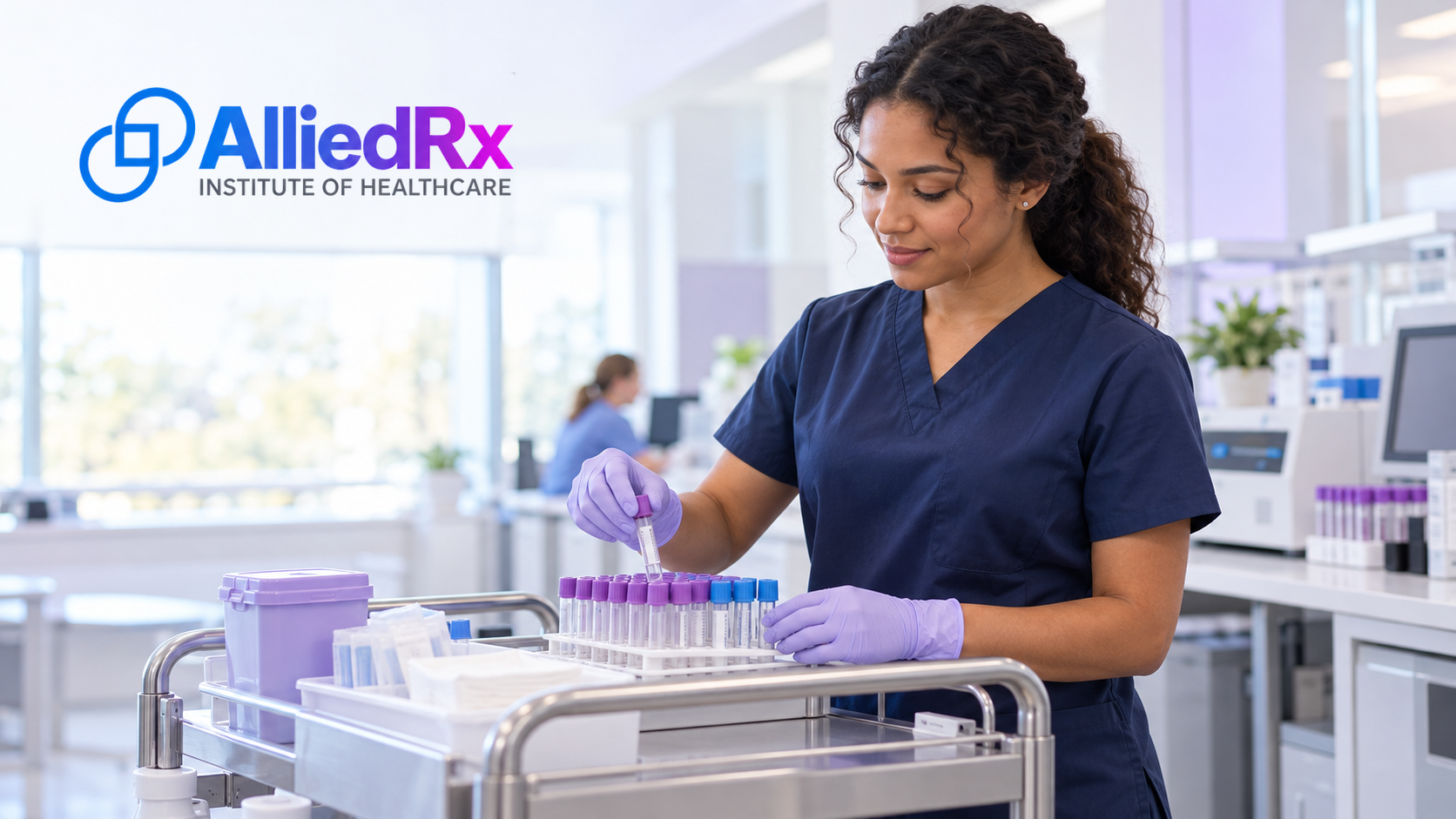
Phlebotomists work anywhere blood samples are collected for testing. That includes hospitals, independent laboratories, patient service centers, doctors' offices, blood donation centers and mobile services that visit patients at home. According to the U.S. Bureau of Labor Statistics, hospitals and medical and diagnostic laboratories employ the largest share of phlebotomists. Below is a plain-language tour of each setting, what a typical day looks like there and how to decide which one fits you.
The Main Places Phlebotomists Work
The BLS Occupational Outlook Handbook lists the largest employers of phlebotomists in 2025 as:
- Hospitals (state, local and private): 36%
- Medical and diagnostic laboratories: 33%
- All other ambulatory healthcare services: 16% (this group includes services such as blood and organ banks)
- Offices of physicians: 9%
- Outpatient care centers: 2%
The core skill is the same in every setting: identify the patient correctly, collect a clean sample, label it accurately and send it safely to the lab. What changes is the pace, the patients you see and the hours you work.
Hospitals
Hospital phlebotomists draw blood from patients in the emergency department, inpatient units, intensive care and outpatient areas. Many hospitals run early-morning "rounds," when phlebotomists collect samples from admitted patients so results are ready before doctors make their morning decisions. You may see patients who are very ill, elderly, very young or hard to draw. Because hospitals run around the clock, the BLS notes that phlebotomists in hospitals and labs may need to work nights, weekends and holidays. Hospitals are a great fit if you like variety, teamwork and a fast pace.
Medical and Diagnostic Laboratories
Independent laboratories often operate patient service centers where people come in with a lab order from their provider. Days are usually steady and predictable: check in the patient, confirm the order, collect the samples and process them for testing. You will get lots of practice, which helps you build speed and confidence. Strong customer service matters here because you may see a long line of outpatients, many of them nervous about needles.
Doctors' Offices and Outpatient Clinics
In a physician's office or outpatient clinic, you may be the person who handles every blood draw for the practice. Hours often follow office hours, which many people find easier to balance with family life. Some offices also ask phlebotomists to help with related tasks such as preparing specimens for pickup, stocking supplies or assisting with basic patient intake. This setting suits people who enjoy getting to know regular patients.
Blood Donation Centers and Mobile Drives
At blood donation centers, phlebotomists work with healthy donors rather than sick patients. The work includes screening steps, collecting the donation and watching donors for reactions afterward. Many donation programs also run mobile blood drives at schools, workplaces and community events, so you may travel to different sites. The BLS notes that some phlebotomists travel to mobile donation sites.
Mobile Phlebotomy and Home Visits
Mobile phlebotomists travel to patients' homes, long-term care facilities or workplaces. This option offers independence and a change of scenery, but it requires excellent organization, careful specimen handling during transport and a reliable way to get around. The BLS notes that phlebotomists who transport samples may need a driver's license.
What Changes From One Setting to Another
Before you apply for jobs, think about which of these factors matter most to you:
- Schedule: Hospitals and some labs need coverage at all hours. Offices and many patient service centers keep daytime hours.
- Patient mix: Hospitals see acutely ill patients. Labs and offices see more routine outpatients. Donation centers see healthy donors.
- Pace: Patient service centers and hospital morning rounds can be very busy. Small offices may be calmer.
- Physical demands: The BLS notes the job may involve standing for long periods. Mobile work adds driving and carrying equipment.
- Extra duties: Smaller settings often expect you to help with other tasks, which can build a broader skill set.
Pay and Job Outlook for Phlebotomists
According to the BLS Occupational Outlook Handbook, the median annual wage for phlebotomists was $45,230 in May 2025. Employment of phlebotomists is projected to grow 7 percent from 2025 to 2035, which the BLS describes as much faster than the average for all occupations, with about 18,000 openings projected each year on average. Actual pay varies by location, employer, setting and experience.
How to Prepare for Any Phlebotomy Setting
The BLS notes that most phlebotomists enter the field with a certificate from a postsecondary phlebotomy program, and that employers may prefer candidates with professional certification. Some states also have their own requirements, so check the rules where you plan to work. A strong training program should help you build:
- Venipuncture and capillary puncture skills with plenty of supervised practice
- Safety and infection control habits that every employer expects
- Accurate patient identification and labeling, which protects patients in every setting
- Communication skills to calm anxious patients and work with nurses and lab staff
- Preparation for a certification exam such as the NHA Certified Phlebotomy Technician (CPT)
If you are still deciding whether this career is right for you, our guide What Does a Phlebotomist Do? walks through daily duties in more detail.
Military spouses and service members may have funding options. AlliedRx works with programs such as SpouseWorks, Army Credentialing Assistance (Army CA) and Air Force COOL. Eligibility and funding approval are required, so speak with an AlliedRx advisor about your situation before you enroll.
Frequently Asked Questions
Where do most phlebotomists work?
According to the BLS, hospitals employ the largest share of phlebotomists (36% in 2025), followed closely by medical and diagnostic laboratories (33%).
Do phlebotomists work nights and weekends?
It depends on the setting. The BLS notes that phlebotomists in hospitals and labs may need to work nights, weekends and holidays. Doctors' offices and many outpatient centers keep regular daytime hours.
Which setting is best for a new phlebotomist?
Many new graduates like high-volume settings such as patient service centers or hospitals because they get a lot of practice quickly. Others prefer a calmer office. The best choice depends on your schedule needs and how you like to work.
Can phlebotomists travel for work?
Yes. Some phlebotomists work for mobile services or blood donation programs and travel to homes, care facilities or donation drives. These roles may require a driver's license.
Start your phlebotomy career with AlliedRx. AlliedRx Institute of Healthcare's Phlebotomy Technician program offers online and hybrid options and helps you prepare for the NHA CPT certification exam. AlliedRx programs are accredited or approved through NHA, AMCA and NCCT, and AlliedRx is approved by SCHEV (State Council of Higher Education for Virginia). Register today.
Questions about a program, start dates, or payment plans? Our admissions team is happy to help.


